
- Why SEO Specialists Are Using ChatGPT for SEO Optimization
- How ChatGPT Supports Keyword Research and Search Intent Analysis
- Using ChatGPT for On Page SEO Optimization
- ChatGPT for SEO Content Strategy and Scaling Content Production
- Improving Technical SEO Awareness with ChatGPT
- Limitations of ChatGPT in SEO Optimization
- The Future of SEO Optimization with ChatGPT
Why SEO Specialists Are Using ChatGPT for SEO Optimization
SEO has become significantly more complex in recent years due to frequent algorithm updates, higher competition, and rising content quality standards. Website owners and SEO specialists are constantly looking for smarter ways to optimize sites, increase organic traffic, and scale content efficiently. In this context, ChatGPT is increasingly used as a practical assistant for SEO optimization, keyword research, and content strategy development. For those who want to deepen their understanding of how ChatGPT can be applied in real SEO workflows and digital marketing scenarios, a wide range of in-depth guides and practical articles is available on https://lifeinfohub.de/.
Many professionals use ChatGPT not to replace SEO expertise, but to enhance it. The tool helps analyze ideas, structure content, and speed up routine SEO tasks that previously required hours of manual work. This allows specialists to focus more on strategy and decision-making rather than repetitive execution.
ChatGPT is especially attractive for small teams and solo website owners who do not have access to large SEO departments. It lowers the entry barrier to professional-level SEO planning and makes advanced optimization techniques more accessible.
“Good SEO is not about working harder, it is about thinking more clearly.”
From a search demand perspective, keywords such as ChatGPT SEO, AI SEO optimization, and ChatGPT for SEO show consistent growth, making this topic highly valuable for organic traffic.

How ChatGPT Supports Keyword Research and Search Intent Analysis
Keyword research remains the foundation of effective SEO optimization, and ChatGPT plays a supportive role in this process. While it does not replace professional keyword tools, it helps generate keyword ideas, cluster topics, and analyze search intent more efficiently.
SEO specialists often use ChatGPT to brainstorm long-tail keywords, related questions, and semantic variations around core topics. This is particularly useful when building content clusters or expanding existing pages with additional relevance signals.
Another strength of ChatGPT lies in understanding intent. By analyzing how users phrase their questions, ChatGPT helps differentiate between informational, commercial, and transactional searches. This improves content alignment with what users actually want to find.
Common SEO keyword tasks supported by ChatGPT include:
- Generating topic clusters around a main keyword
- Identifying informational and commercial intent
- Expanding keyword lists with semantic variations
“Ranking is easier when content matches intent, not just keywords.”
This approach aligns well with modern SEO requirements and supports queries like ChatGPT keyword research and AI SEO strategy.
Using ChatGPT for On Page SEO Optimization
On-page SEO optimization involves much more than placing keywords into text. Structure, clarity, internal logic, and user experience all play critical roles, and ChatGPT assists in improving these elements systematically.
SEO specialists use ChatGPT to create optimized headings, rewrite paragraphs for clarity, and improve content flow. The tool helps ensure that texts are readable, logically structured, and aligned with SEO best practices without sounding artificial.
ChatGPT is also helpful for optimizing meta elements such as titles and descriptions. By testing different phrasing options, SEO professionals can improve click-through rates while maintaining keyword relevance.
Typical on-page SEO tasks supported by ChatGPT include:
- Improving heading hierarchy and structure
- Optimizing content for readability and UX
- Rewriting sections to reduce keyword stuffing
“Search engines reward clarity long before they reward cleverness.”
By focusing on quality and structure, ChatGPT supports sustainable on-page SEO optimization rather than short-term tactics.
ChatGPT for SEO Content Strategy and Scaling Content Production
Content strategy is one of the most resource-intensive aspects of SEO, especially for websites that need to publish consistently. ChatGPT helps scale content production without sacrificing strategic direction.
SEO teams use ChatGPT to plan editorial calendars, define topic priorities, and map content to different stages of the user journey. This structured approach ensures that every article serves a clear SEO purpose.
ChatGPT also helps reduce creative fatigue. By assisting with outlines, introductions, and transitions, it speeds up writing while allowing human editors to focus on expertise, tone, and accuracy.
“AI accelerates execution, but strategy remains human.”
This balanced workflow explains why queries like ChatGPT content strategy and AI content for SEO continue to gain popularity among professionals.
Improving Technical SEO Awareness with ChatGPT
While ChatGPT does not perform technical SEO audits, it supports understanding and planning technical optimization efforts. Many website owners use it to clarify complex SEO concepts and prepare implementation checklists.
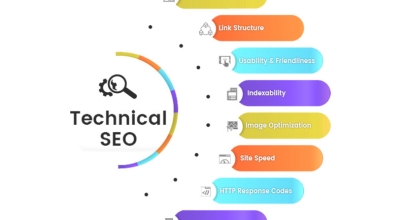
ChatGPT helps explain topics such as site structure, crawlability, indexing, and Core Web Vitals in plain language. This makes communication between SEO specialists, developers, and business owners more efficient.
By turning technical SEO into understandable steps, ChatGPT reduces misunderstandings and speeds up execution. This is especially useful for non-technical stakeholders who need clarity rather than code.
“Understanding technical SEO is the first step to fixing it.”
From an educational SEO perspective, this supports long-term site health and informed optimization decisions.
Limitations of ChatGPT in SEO Optimization
Despite its advantages, ChatGPT has limitations that SEO professionals must understand. It does not have real-time access to search engine data, rankings, or analytics, which means it cannot replace dedicated SEO tools.
ChatGPT should not be used to guess ranking factors or manipulate algorithms. Its strength lies in supporting analysis, planning, and content quality rather than automation of SEO outcomes.
The most effective SEO workflows use ChatGPT as a complementary tool alongside analytics platforms, keyword research tools, and professional expertise.
“AI supports SEO thinking, but responsibility stays with the strategist.”
Addressing these limitations openly builds trust and aligns with search intent behind queries like can ChatGPT improve SEO rankings.
The Future of SEO Optimization with ChatGPT
SEO continues to evolve, and AI tools like ChatGPT will play an increasingly important role in how websites are optimized. The focus is shifting from mechanical optimization to strategic relevance and user satisfaction.
ChatGPT supports this transition by helping create content that is structured, helpful, and intent-driven. As search engines become better at understanding context, tools that assist with clarity and logic gain importance.
For SEO-focused blogs and agencies, covering ChatGPT and SEO optimization is a long-term opportunity. The topic remains evergreen and adapts easily to future algorithm changes.
“The future of SEO is not automation, it is intelligent assistance.”